Exploring Cambridgeshire Churches
"John Vigar, I am certain, has visited more churches in England and Wales than anyone now living; more, probably, than anyone who has ever lived; and more, there is a fair chance, than anyone ever will".
Peter Ross, Steeplechasing published by Headline 2023.
As a county Cambridgeshire is hard to define, having been artificially formed by the amalgamation of several previously independent historic areas, each with its own character. Its diverse geology includes some of the best building stone in England, and some of the worst, as well as areas that have no native building stone at all. Parts of it were once managed by the Crowns of both England and Scotland and much of it was held by monasteries and Cambridge colleges where the wealth of those institutions can easily be identified in its buildings. Yet it still has areas where wealth never reached and where the architecture is pedestrian as a result.
There is a proud early history of Christianity here. St Felix of Burgundy arrived at Soham and founded a monastery in AD630 and later in the century monasteries were established at Peterborough and Ely. Following Danish raids in the ninth century new churches were established and old ones renewed until, after the Norman Conquest, there was an explosion of church building, in the form of dozens of new monasteries and parish churches, with most of the latter remaining in use today.
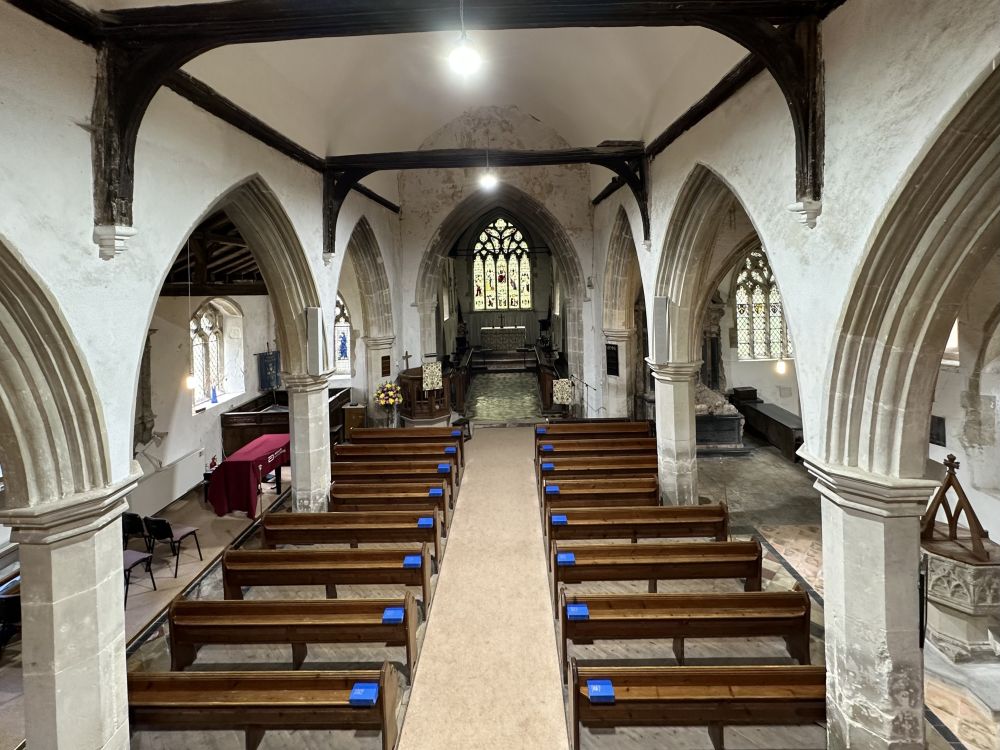
In this profusely illustrated lecture, John Vigar looks at a variety of historic churches and discusses their history, furnishings, and architecture. He is the author of `Churches of Cambridgeshire` published by Amberley Press (2023)