Bravehearts, Sweethearts and Lovehearts in Old Churches
"John Vigar, I am certain, has visited more churches in England and Wales than anyone now living; more, probably, than anyone who has ever lived; and more, there is a fair chance, than anyone ever will".
Peter Ross, Steeplechasing published by Headline 2023.
In the seventeenth century Dr William Harvey discovered that the heart pumps blood around the body. Yet for centuries the heart had already been an iconic symbol. It represented the physical manifestation of the soul. The place where our inner spirit resides. The thing that makes us us. The Augustinian Church in Vienna has a room full of Hapsburg Hearts displayed in rows of urns. Together for eternity.
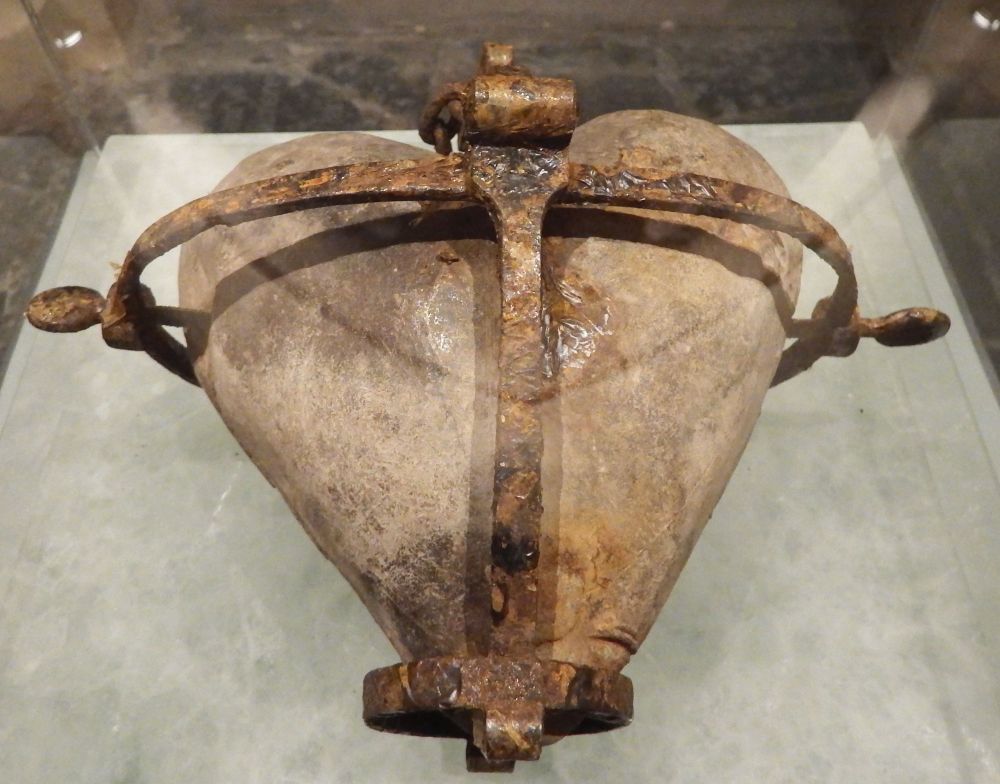
Our own churches are full of imagery - not only imagery of faith but of human birth, life and death and a surprising corpus of images of the heart may be found, reminding us of the stories of people just like us. We find disarticulated hearts buried apart from their bodies for practical or religious reasons – if you died abroad in the medieval period your body would rarely find its way back intact, and the more places you were buried increased the numbers of prayers offered up for your soul.
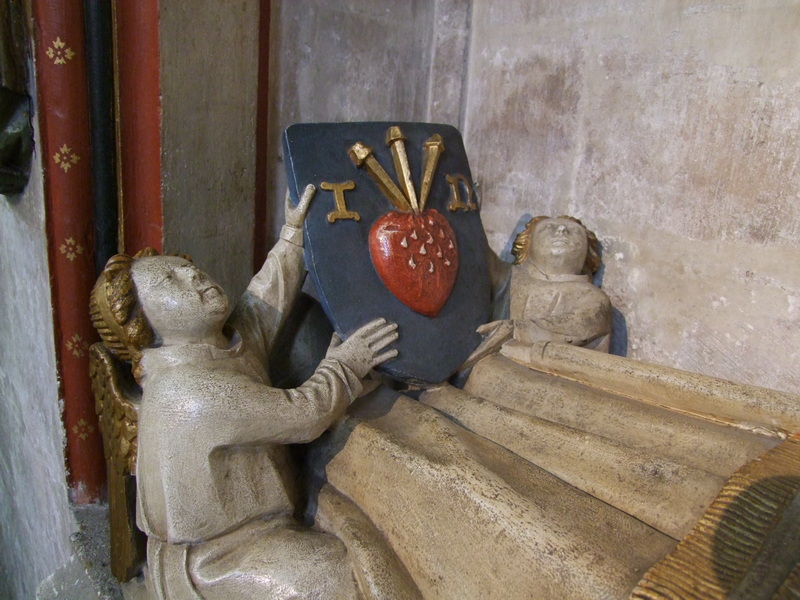
We also discover hearts as symbols of love and devotion. The bleeding heart of Our Lady grieving for her son, or the devotion of clergy to their calling. Stained glass, sculptures in stone and wood, heart shrines and monumental brasses will all demonstrate the relevance of the heart in permanent commemoration. We even discover a mummified heart built into the wall of a Northamptonshire church to make sure that the man who paid for its rebuilding was forever associated with the structure. I am sure you will love this lecture.